Focusing the Diocesan Mission
On June 6, delegates from throughout gathered from around the Diocese of the Holy Trinity for the DHT’s 50th Diocesan Synod. In addition to the customary reports were numerous presentations that continued the 2025 and 2024 emphasis on promoting an increased focus on mission and evangelism.
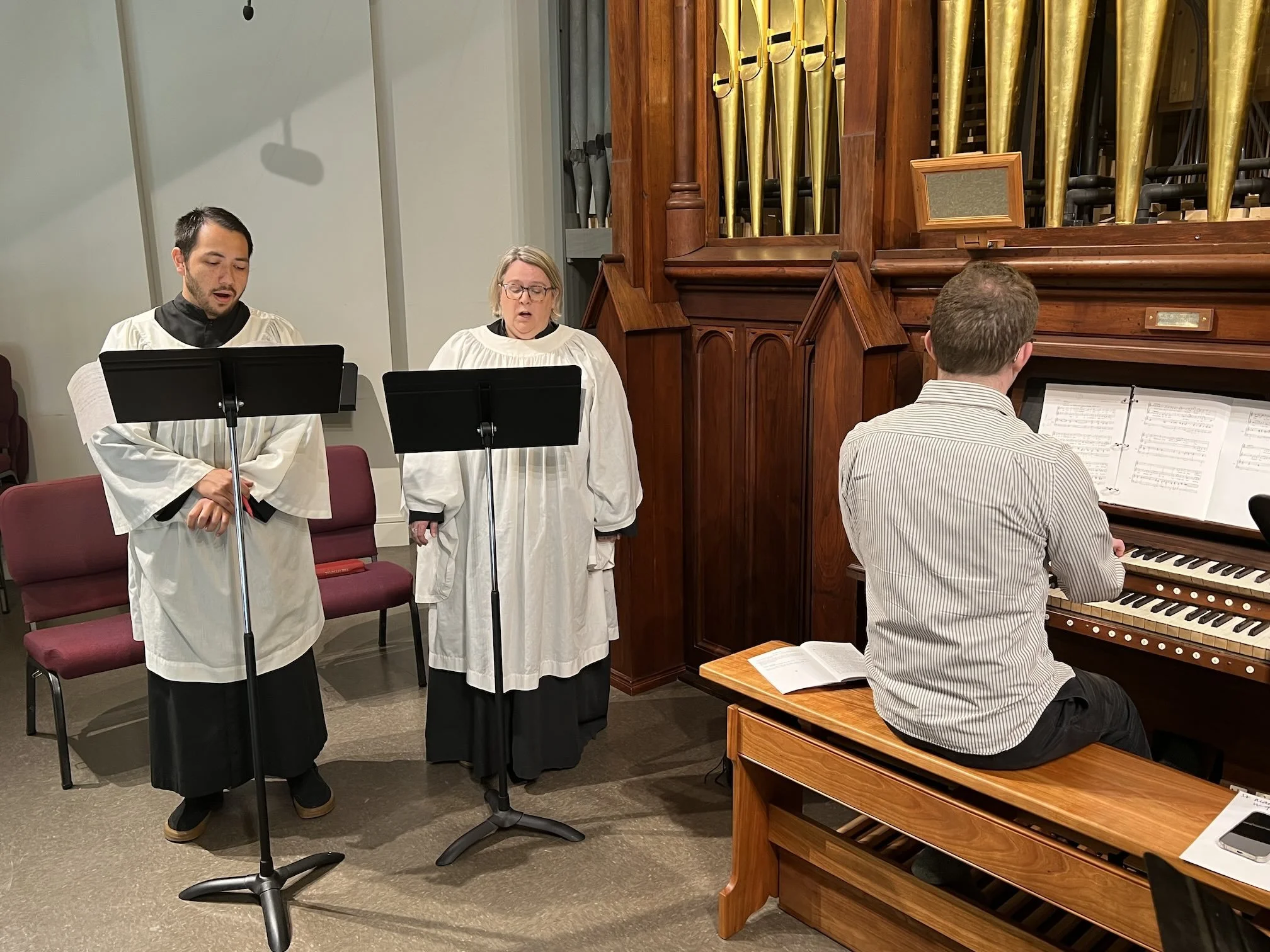
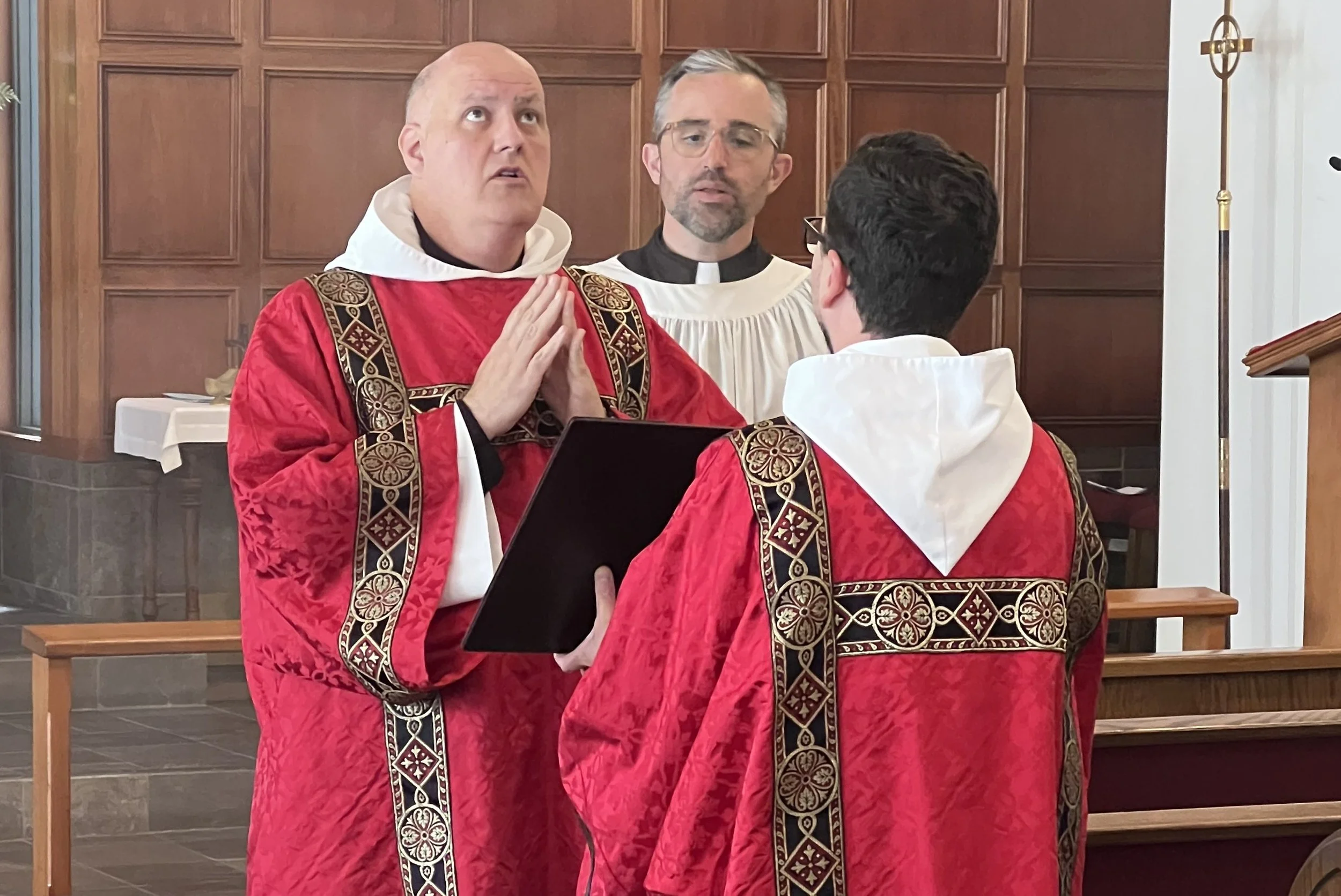
The Synod began with a sung mass and lunch, followed by the afternoon business meeting. The day concluded with said evening prayer and closing dinner. All activities occurred at St. Matthew’s in Newport Beach.
Focus on Mission
At the opening mass, Bp. Scarlett again preached on the central role of mission for the diocese, our congregations and every parishioner. Drawing on the early church's pattern of prayer and waiting, he called on his listeners to believe in the power of God, be faithful in small things, gather a Remnant to pray and listen, practice hospitality toward outsiders and persevere without discouragement in our God-given work.
During the business meeting, Bp. Scarlett explained that a top priority for the diocese will be helping diocesan Mission Communities progress to become missions. Bp. Scarlett defined a Mission Community in terms of Martin Thornton’s concept of a parochial remnant. A MC is a group in a specific area that tithes to the diocese, gathers regularly for Eucharist and welcomes others with Biblical hospitality.
Bp. Scarlett said a Mission Community becomes a DHT mission when it offers a weekly public celebration of the Eucharist. The diocesan and provincial canons define the steps for a mission to become a self-sufficient parish. Today, the MCs closest to becoming a mission are St. Paul’s in Liberty, Missouri and the MC in Everett, Washington.
Bp. Scarlett explained that to grow missions and mission communities, the diocese needs identify and form Missionary Priests. Such a priest meets all the DHT's canonical requirements and also has the temperament for the work: committed to his own life of prayer and formation, a lover of souls who pursues people, an entrepreneur willing to take risks, and able to persevere through testing. The approach honors apostolic authority while opposing clericalism: the missionary priest cultivates the gifts of every member, building on the efforts of a lay Remnant of laity who grow together in prayer and maturity.
Finally, the co-chair of the Domestic Missions Committee summarized the committee’s plans for the coming year. It will meet regular with the Missouri and Washington MCs, and also work with the Commission on Ministry to identify potential Missionary Priests. Finally, it will be working with St. Matthew’s to help launch a new Remnant Mission Office that will fund Remnant Mission-related projects at existing or new congregations.
Other Reports
The synod heard update reports from the existing parishes and missions:
St. Joseph Parish, San Mateo: Fr. Craig Looney
St. Mary Magdalene, Orange: Fr. Neil Edlin
St. Mary’s, Denver: Fr. Patrick Maclean
St. Matthew’s, Newport Beach: Fr. Hayden Butler
St. Thomas, Fullerton: Fr. Kevin Craik
Reports were also given by the leaders of the two largest Mission Communities: Missouri (Dcn. Pat Kelly) and Washington (Fr. Cal Popa).
In other reports:
Commission on Ministry. Fr. Butler reported on the status of men approaching ordination — two for the diaconate and one for the priesthood. He discussed early plans for the DHT (and other ACC dioceses) to have clergy (and perhaps lay leaders) disclose how they represent themselves online on social media.
Overseas Mission Committee. Fr Edlin discussed diocesan funding of overseas missions in Africa and Asia.
Other Business
This Synod marked Bp. Scarlett’s last as rector of St. Matthew’s. He announced that in September he will shift his time and emphasis to be a missionary bishop across the diocese. His successor at St. Matt’s is expected to be Fr. Hayden Butler.
Bp. Scarlett clarified (and formalized) existing cathedral policy. The historic St. Mary’s Denver will remain the diocesan cathedral and St. Matthew’s will become the “pro-cathedral.”
Longtime DHT chancellor Eric Moriarty announced her retirement. Adeline Allen agreed to be the new chancellor.
Finally, the opening service with choral ensemble also marked the first opportunity for many attendees to hear St. Matthew’s newly-installed pope organ. It was first installed in an Albany church in 1867, and (after various other stops) brought to California and installed in 2025.